Follow the child
Children show us what they're ready for. Our job is to notice and respond.
Learning at Home
Here are the approaches families actually use — Montessori, Charlotte Mason, classical, unit studies, and eclectic (a little of each, chosen to fit the child). Some families teach every subject at home; others are simply keeping learning alive after the school day. Both belong here.
We started with Montessori, so that's where this page begins.
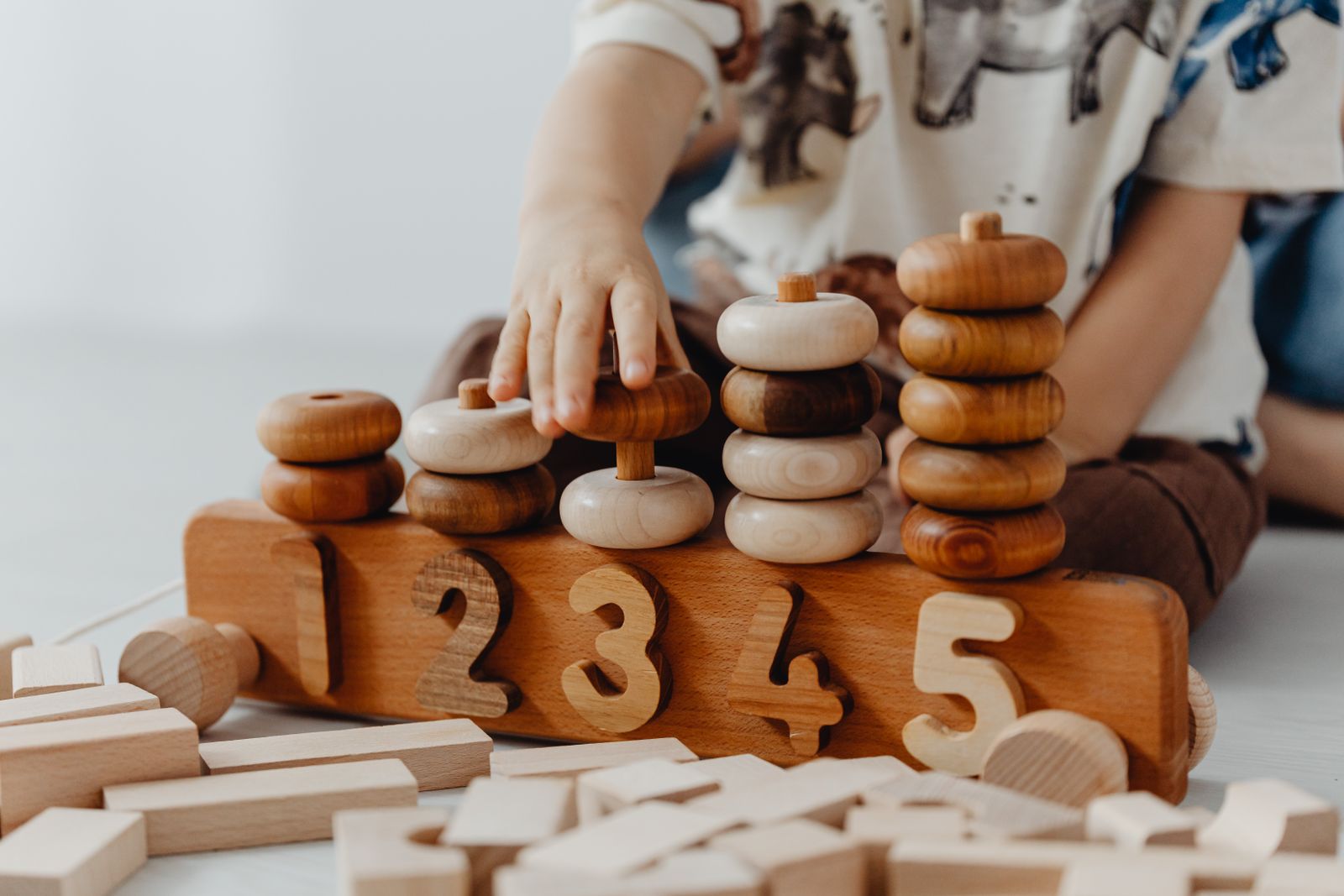
Approach one — Montessori
One approach among several, and a good place to start: it trusts children to direct their own learning, in a prepared environment, with materials that make abstract ideas touchable.
"Never help a child with a task at which he feels he can succeed."
— Maria Montessori
A child's becoming
0–3 years
Babies and toddlers absorb everything around them. Slow, sensorial, language-rich environments are everything.
3–6 years
Pouring, sweeping, sorting — the work that builds concentration and order.
6–9 years
Big questions, cosmic stories, group work, and the moral imagination.
9–12 years
Real-world projects, deeper studies, and the beginnings of true independence.
12–18 years
Meaningful work, real responsibility, high-school credits and transcripts — learning that points at adult life.
In your home
Two simple ways to put the method into practice this week.